Acoustic Flooring: Creating Quieter Commercial Interiors
From busy offices to hospitality and education environments, unwanted noise can have a significant impact on how a space feels and functions. Choosing the right flooring can play an important role in creating quieter, more comfortable commercial interiors.
The way we use commercial interiors has changed. Open-plan workplaces encourage collaboration, hospitality spaces are designed to feel lively and social, and educational environments increasingly support flexible learning styles. Yet with this flexibility comes a challenge: noise.
Footfall, moving furniture, and everyday activity can all affect the acoustic environment. For architects and interior designers, flooring provides an opportunity to consider acoustics from the ground up.
Why acoustics matter in commercial interiors
Good acoustic design isn't simply about making a space quieter. It's about creating an environment appropriate for the people using it.
In an office, excessive noise can be distracting. In hospitality, acoustic comfort can help create a more relaxed atmosphere, while in education environments it can support spaces designed for concentration and communication.
Flooring is only one element of a complete acoustic strategy, but its large surface area and direct exposure to footfall mean that specification can make an important difference.
Understanding impact sound
When we talk about flooring and acoustics, impact sound is particularly important. Impact sound is generated when something makes contact with a surface, such as footsteps, chairs moving or objects being dropped. This energy can then travel through the floor construction and be heard elsewhere in the building.
Floor coverings and acoustic backing or underlay systems can reduce impact sound transmission, depending on the flooring system and installation.
When comparing products, designers should look beyond general claims of "quiet flooring" and consider the manufacturer's tested acoustic performance for the complete flooring specification.
Carpet tiles and acoustic comfort
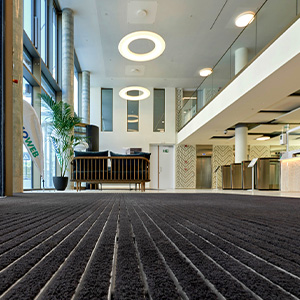
Carpet remains an obvious choice where acoustic comfort is a priority. Carpet tiles can absorb sound within a room while also reducing footfall noise. This makes them particularly well suited to offices, meeting areas, breakout spaces, hospitality environments and education projects.
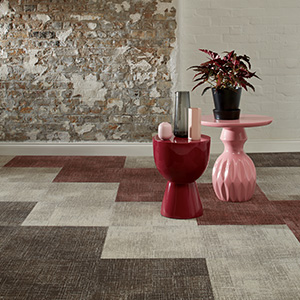
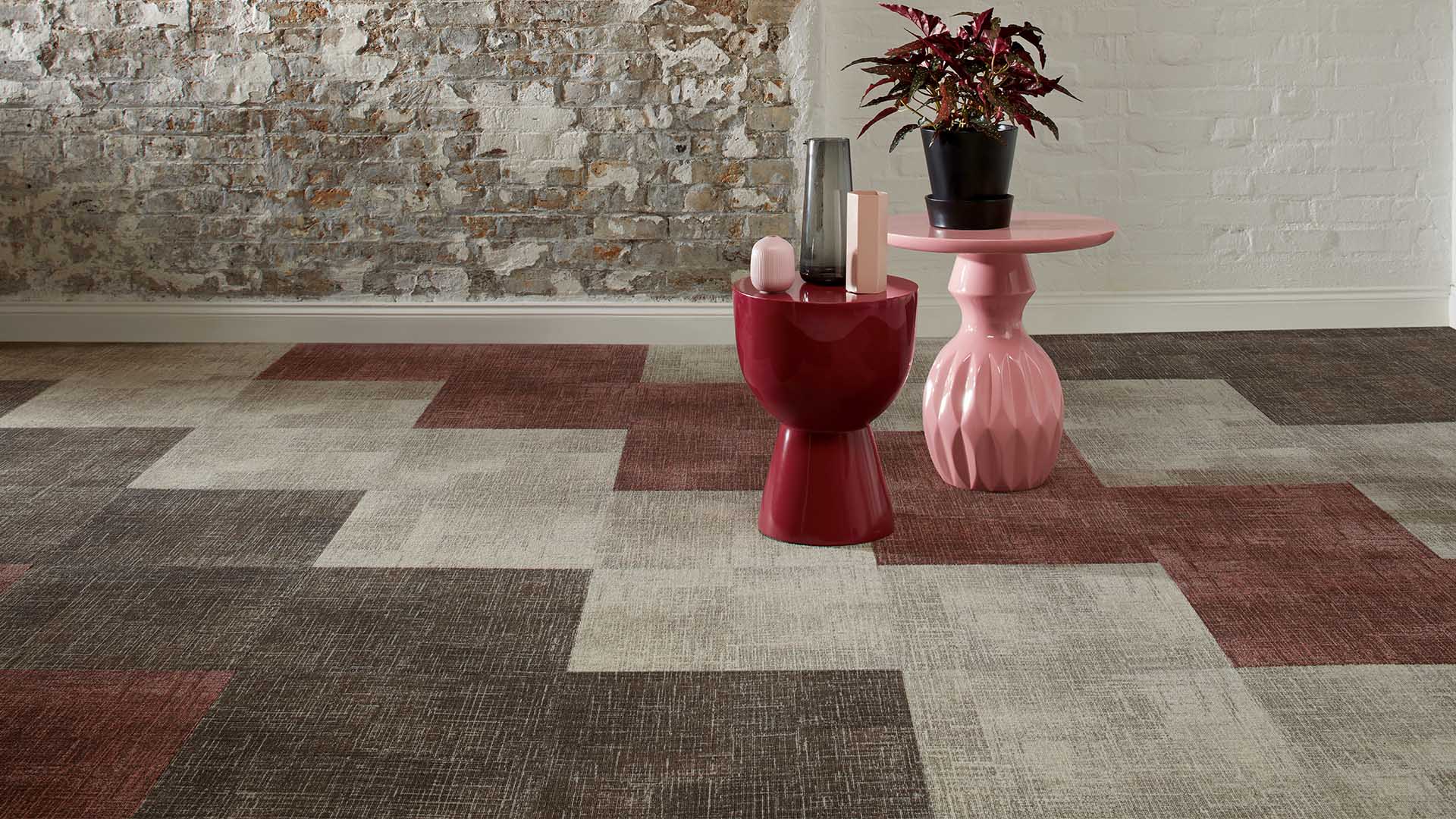
For designers, carpet tiles also bring considerable creative freedom. Colour, texture, and pattern can define different zones within an open-plan interior without introducing physical barriers. Modular formats also make it possible to replace individual tiles in high-use areas rather than an entire floor, providing another practical advantage in busy commercial environments.
Resilient flooring doesn't have to mean noisy
Hard and resilient surfaces are often required where durability, easy maintenance or design flexibility are key considerations. However, you don't necessarily have to sacrifice acoustic performance.
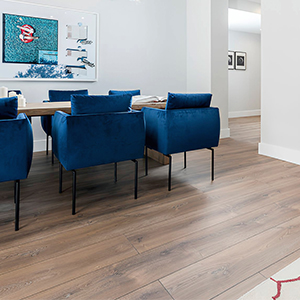
Many contemporary resilient flooring products are available with acoustic constructions or can form part of a flooring system designed to reduce impact sound. This opens up possibilities for specifying wood, stone and other design effects in areas where both aesthetics and acoustic comfort need to be considered.The key is to compare the tested acoustic performance of individual products and systems, as results can differ considerably.
Designing quieter open-plan workplaces
The modern workplace is perhaps one of the clearest examples of why acoustic flooring matters.One floor might accommodate desks, collaboration areas, meeting spaces, circulation routes and informal breakout zones, each creating different levels and types of noise. Flooring can help designers establish these different areas visually while supporting the wider acoustic strategy.
Carpet tiles might be specified around workstations and meeting areas, for example, while resilient flooring could identify circulation or social spaces. Rather than seeing flooring as a single finish across the entire floorplate, it becomes another tool for creating purposeful spaces.
Look at the complete specification
Acoustic performance should never be considered in isolation. The building's intended use, level of footfall, subfloor, installation method, maintenance requirements, durability, and overall interior scheme should all inform the final flooring choice.
For projects with specific acoustic requirements, manufacturers' technical data and relevant test results should form part of the specification process. Working with an experienced commercial flooring provider can also help architects and designers compare suitable solutions and understand how different products perform within the demands of a particular project.
A quieter approach to commercial flooring
As commercial interiors become increasingly focused on wellbeing, flexibility and user experience, acoustic comfort deserves a place alongside colour, texture and durability when choosing flooring.
From soft flooring that helps absorb sound to resilient products engineered for acoustic performance, today's commercial flooring gives designers more opportunities to balance aesthetics with practical performance. Ultimately, the best flooring shouldn't simply look right; it should help the whole space feel right too.
If you enjoyed reading this, you may like ALMA Collection from Castro Wood Floors